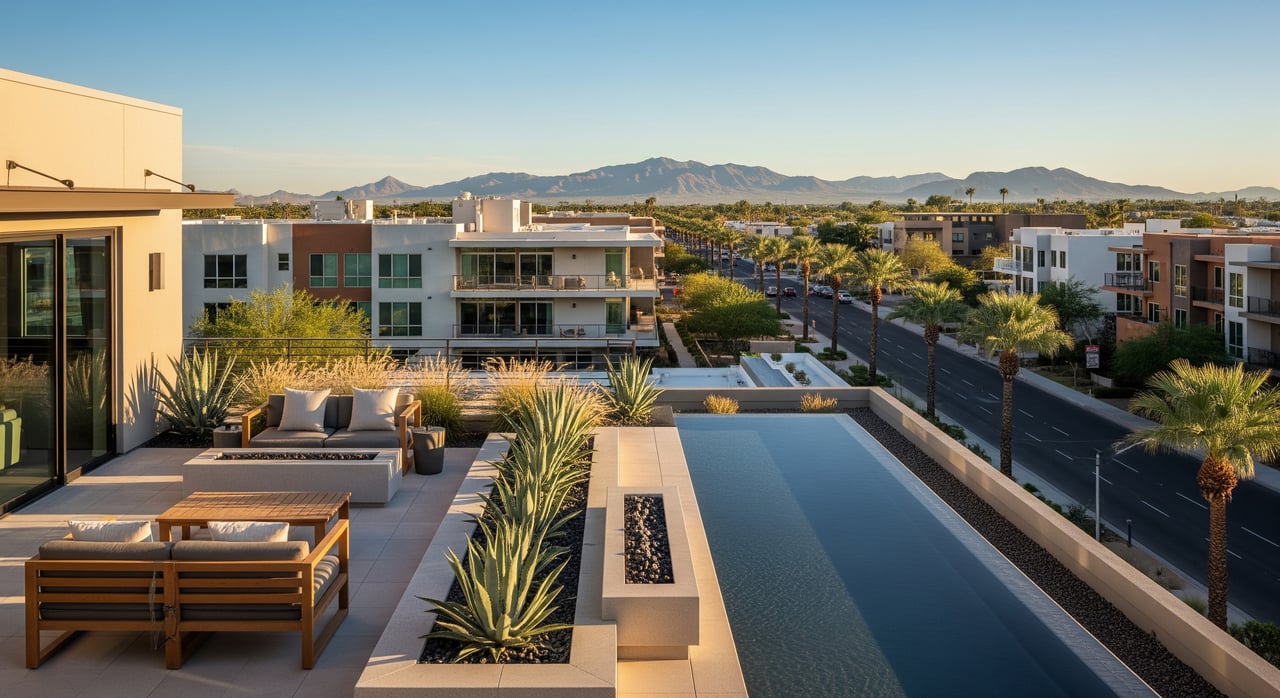
Thinking about living along Phoenix’s Central Avenue and wondering what day-to-day life really feels like? You want the energy of downtown, the convenience of transit, and the charm of historic homes without giving up comfort. This guide gives you a clear, block-by-block picture of lifestyle, housing options, commuting, and what to consider before you buy or sell. Let’s dive in.
Where the Central Corridor is
Locals use “Central Corridor” to describe the neighborhoods lining Central Avenue as it runs through Phoenix’s urban core. It includes Downtown and Midtown, plus nearby historic pockets like Willo and Encanto, and the arts-focused Roosevelt Row. Some definitions stretch from the I-10 up to the Melrose area near Camelback Road.
You’ll find a mix of busy commercial blocks and quieter, tree-lined streets just a turn or two off Central. Properties right on Central feel more urban with condos, offices, and retail. A few blocks away, you’ll see older single-family homes with character and sidewalks shaded by mature trees.
Lifestyle and daily rhythm
Living here means easy access to restaurants, galleries, nightlife, and major employers without a long commute. The liveliest areas cluster in specific nodes, so your experience depends a lot on the exact block. Central-facing homes see more transit and street activity, while side streets are calmer.
Arts and culture anchors
If you love art, music, and design, you’ll enjoy the galleries and murals in the arts district. The heart of it is Roosevelt Row, known for public art and community programming throughout the year. You’re also close to the Phoenix Art Museum and the Heard Museum for world-class exhibitions. Downtown events and markets, highlighted by Downtown Phoenix Inc., bring regular festivals and performances within a quick ride or walk.
Parks and green space
You have two standout parks: Encanto Park, one of the city’s largest, and Margaret T. Hance Park, a linear greenway with cultural spaces and events. Historic neighborhoods like Encanto and Willo have pockets of mature shade trees. Shade and outdoor comfort vary by block, so it pays to walk a few streets in every direction before you decide on a home.
Architecture and housing choices
Housing options cover nearly every style and era. If you’re drawn to character homes, you’ll see Craftsman, bungalow, and Spanish Colonial influences in established neighborhoods like Willo and Encanto. Many date back to the early and mid-1900s.
Mid-century modern design is common in both single-family and multifamily buildings from the 1940s to 1960s. Closer to Downtown and Midtown, contemporary infill brings newer condos, apartments, and adaptive-reuse lofts. Renovations are common across the corridor, and lot sizes are typically small to medium.
If a property sits within a designated historic district, you may encounter design guidelines for exteriors. Confirm any historic-district status and renovation standards with the City of Phoenix before you plan updates.
Getting around
Getting around this part of Phoenix is straightforward, especially if you like options. The Valley Metro Light Rail runs along Central Avenue with frequent stops through Downtown and Midtown, connecting you to Tempe and Mesa. Check current routes and schedules on Valley Metro.
Bus routes serve Central and key cross streets, and major freeways are minutes away. Bike lanes exist on some parallel streets, and scooters or bike-share may be available depending on season and current rules. Parking varies by block, with metered or structured parking near commercial corridors and more limited curb parking in denser areas.
Buying and living considerations
Success here is all about micro-neighborhoods. Two streets can feel very different in shade, noise, parking, and overall vibe. Walk the area at different times of day to gauge traffic, light-rail frequency, and nightlife.
- Noise and activity: Central-facing homes see more street and transit activity. Side streets are generally quieter.
- Condos and HOAs: Review HOA rules for parking, pets, short-term rentals, and renovations.
- Renovations: Older homes may need upgrades for energy efficiency, insulation, roofing, windows, and HVAC for heat resilience.
- Zoning and future infill: Central Avenue supports transit-oriented development in many areas. Review planning maps and active projects with the City of Phoenix to understand future activity near a property.
- Taxes and records: For parcel details and tax histories, reference the Maricopa County Assessor.
Schools and safety
Public school assignments vary block by block, with areas served by Phoenix Union High School District and various elementary districts, plus charter schools. Because quality and offerings change, review up-to-date information from the Arizona Department of Education and the relevant district pages, and confirm boundaries before you buy.
Like any urban corridor, safety indicators vary by block and by time of day. To get a current picture, use local, block-level data from the Phoenix Police Department and compare trends over time.
Who this area fits
This corridor draws people who want an urban lifestyle with cultural amenities, shorter commutes, and a mix of housing types. You’ll see a range of households, including residents who value walkable arts and dining scenes, proximity to medical and education centers, and quick transit access. Quiet, residential pockets sit just a few turns off Central for those who prefer a calmer street.
Tips for sellers in the corridor
Marketing here works best when it highlights location and lifestyle. Emphasize walkability, access to light rail, proximity to museums and dining, and any outdoor living features that make heat-season living more comfortable. For pricing, use tight comparables that reflect proximity to Central, parking, and unit or lot size.
Investment perspective
Newer condos and adaptive-reuse lofts near Downtown can appeal to buyers seeking low-maintenance living close to jobs and culture. Historic homes in Willo and Encanto often attract buyers who value architectural character. If you’re considering a rental strategy, evaluate demand drivers like transit, employment centers, and nearby campuses, and confirm any local rules before you proceed. The right operating plan can help align lifestyle goals with long-term asset value.
Make your move with a trusted guide
Choosing the right block along Central comes down to what you value most: culture and convenience, a quiet street with character, or easy transit and lock-and-leave living. If you want boutique guidance tailored to your goals, reach out to Neighbors Luxury Real Estate for thoughtful, data-informed representation.
FAQs
How walkable and transit-friendly is Phoenix’s Central Corridor?
- Walkability is strongest near Downtown, Roosevelt Row, and Midtown, with light rail on Central and frequent bus routes for easy car-optional living.
What neighborhoods are along Central Avenue in Phoenix?
- The corridor includes Downtown and Midtown plus nearby historic pockets like Willo and Encanto and the Roosevelt Row arts district, with exact boundaries varying by source.
What home styles can I find near Central Avenue?
- You’ll see historic Craftsman and bungalows, mid-century homes and multifamily, plus contemporary condos and adaptive-reuse lofts closer to Downtown and Midtown.
Is it noisy to live close to Central Avenue?
- It depends on the block; Central-facing properties experience more traffic and transit activity, while side streets are generally quieter.
How do I research schools in the Central Corridor?
- Review current school performance and boundaries with the Arizona Department of Education and relevant district sites, since assignments and programs can change.
What should condo buyers check in this area?
- Review HOA rules, parking arrangements, guest policies, and any renovation guidelines, and walk the block at different times to assess noise and activity levels.