Are you thinking about buying an East Valley home you can enjoy part of the year and rent out the rest? It is an appealing idea, especially in Greater Phoenix, where winter weather, outdoor living, and major visitor activity create real demand for seasonal stays. If you want to make a smart purchase, you need more than a beautiful home. You need a property, location, and rental plan that fit how guests actually use the East Valley. Let’s dive in.
Why East Valley seasonal rentals get attention
The East Valley is not one single market. It is a collection of distinct communities including places like Mesa, Gilbert, Chandler, Tempe, Queen Creek, Fountain Hills, and Apache Junction, each with its own housing mix, visitor patterns, and lifestyle appeal. That matters because the type of home that works well for one guest segment may not be the best fit in another part of the region.
Population scale also helps explain why demand can vary from place to place. MAG’s 2025 estimates show large differences across East Valley cities, with Mesa at 529,391 residents, Gilbert at 294,689, Chandler at 288,299, Tempe at 196,001, and Queen Creek at 71,693. For you as a buyer, that means location strategy should be specific, not generic.
What drives seasonal rental demand
Winter is one of the biggest reasons buyers look at East Valley homes for seasonal use. Greater Phoenix is known for mild winter weather, with daytime highs in the 60s and 70s, nights that rarely fall below freezing, and a calendar packed with outdoor dining, golf, festivals, sports, and spring training. That climate supports the kind of travel patterns that often align well with furnished seasonal rentals.
Visitor activity across the region supports that demand story. Tempe reported 4.5 million visitors in 2024, with more than $1.1 billion in direct spending and a 62% overnight share. Gilbert says it attracts about 7 million visitors annually, while Mesa reported a total tourism impact of $1.2 billion in 2024.
State tourism data adds another useful layer. Arizona had 41.2 million domestic overnight visitors in 2024, and 84% traveled for leisure, with an average stay of four nights. Arizona’s Canada visitor profile also shows that 33% of Canadian visitors used private-home accommodations and stayed an average of six nights per destination.
Taken together, those numbers suggest that the right East Valley home may appeal to several types of guests, including winter leisure travelers, visiting friends and relatives, and some longer-stay business or relocation households. That does not guarantee performance, but it does show why this strategy continues to draw buyer interest.
Match the home to the guest
One of the biggest mistakes buyers make is shopping for a rental based only on personal taste. If you plan to use the home yourself and also rent it seasonally, the better approach is to look for a home that serves both goals. The property should feel enjoyable to you, but also practical for guest turnover and broad guest appeal.
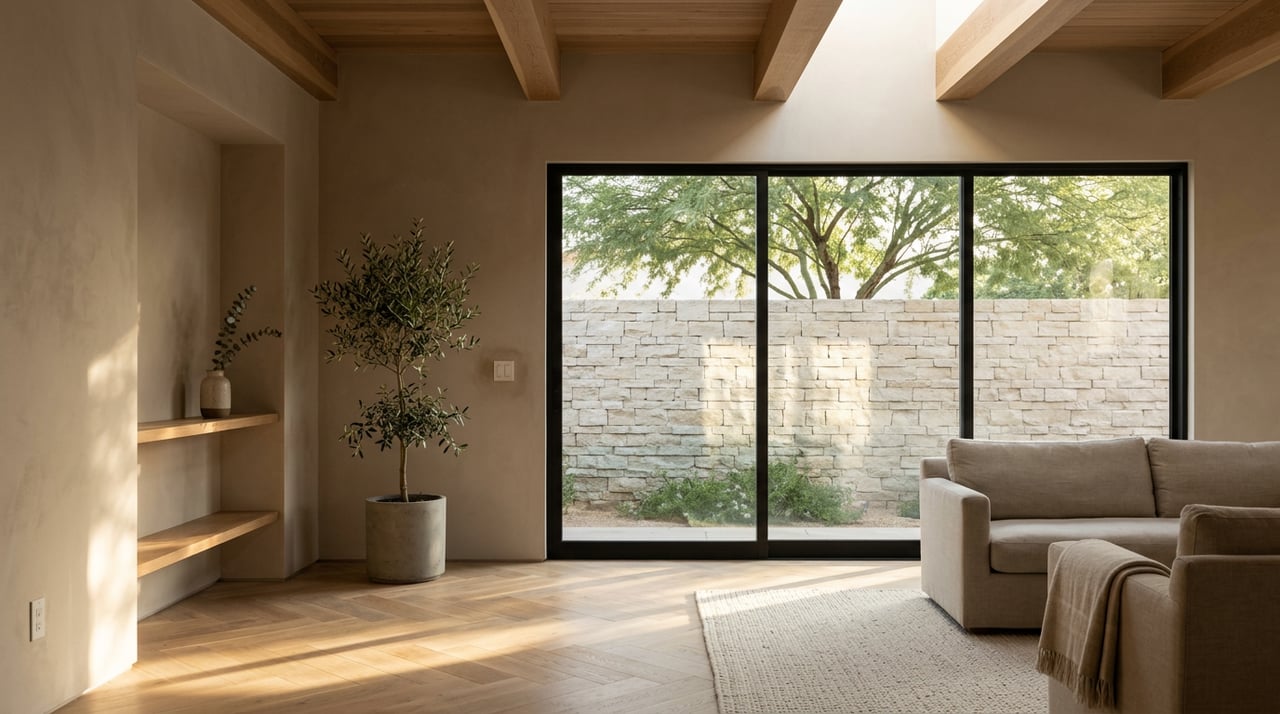
In many cases, that means prioritizing a layout that works well for group travel and flexible stays. A home with enough bedrooms and bathrooms, a bonus room or office, and a floor plan that feels easy to live in can support more than one guest profile. If you expect winter visitors or mixed-age groups, a single-level or low-stairs layout may also be more useful.
Features that often matter most
For a seasonal rental in the East Valley, practical features can matter just as much as finishes. Buyers often do well to look for:
- Multiple bedrooms and baths for families or group travel
- A flexible office or bonus room
- A lockable owner’s closet for personal items
- Laundry space that is easy for guests to use
- Strong Wi-Fi for remote work or longer stays
- Good parking for multiple vehicles
- Durable finishes that hold up well over time
- Low-maintenance landscaping
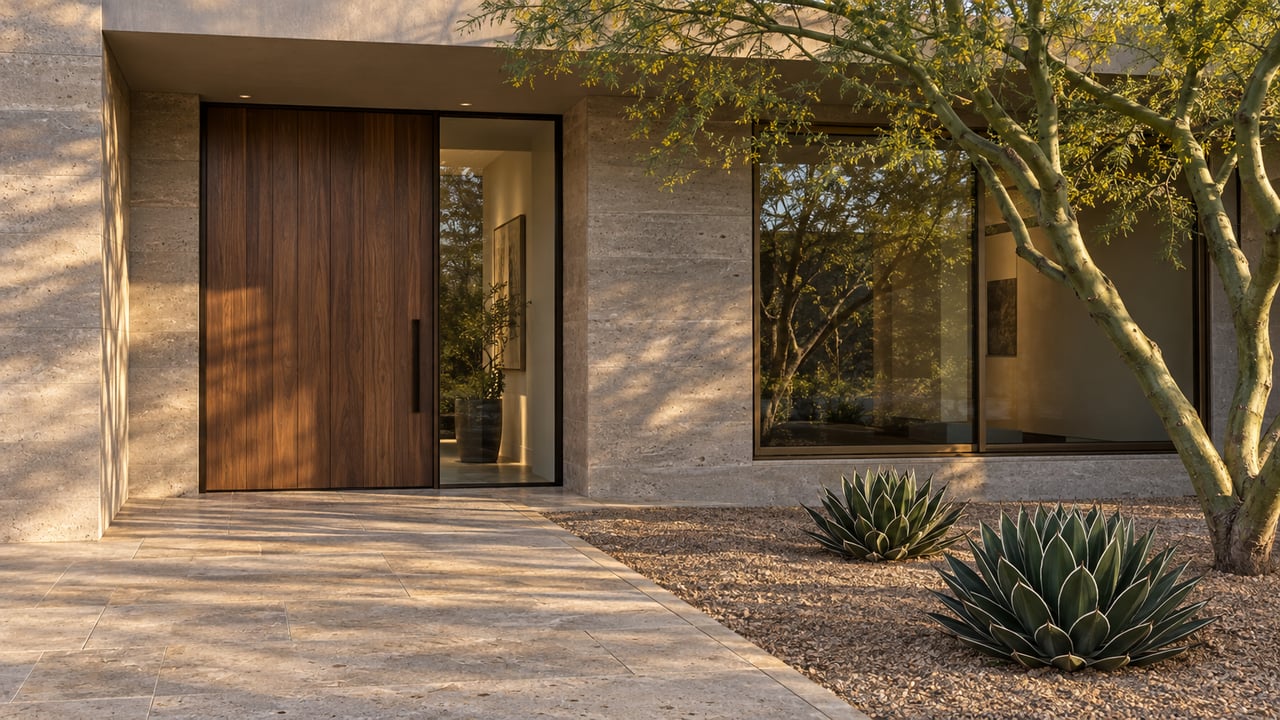
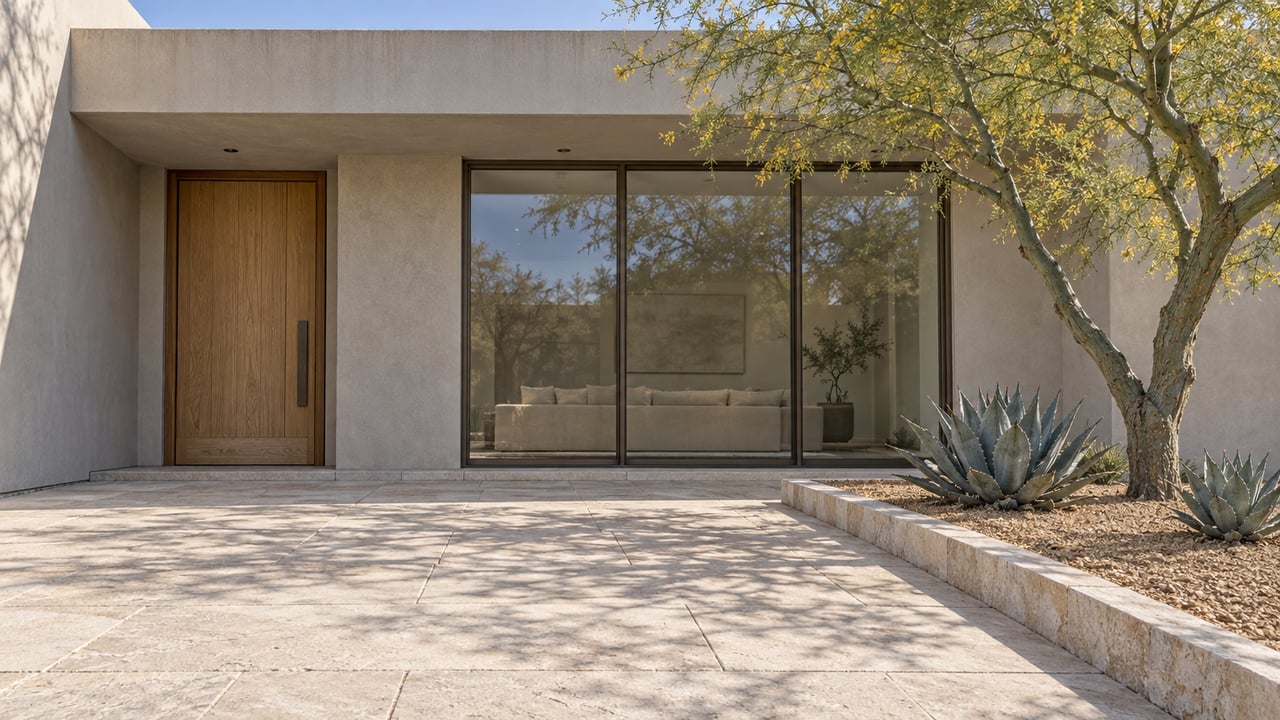
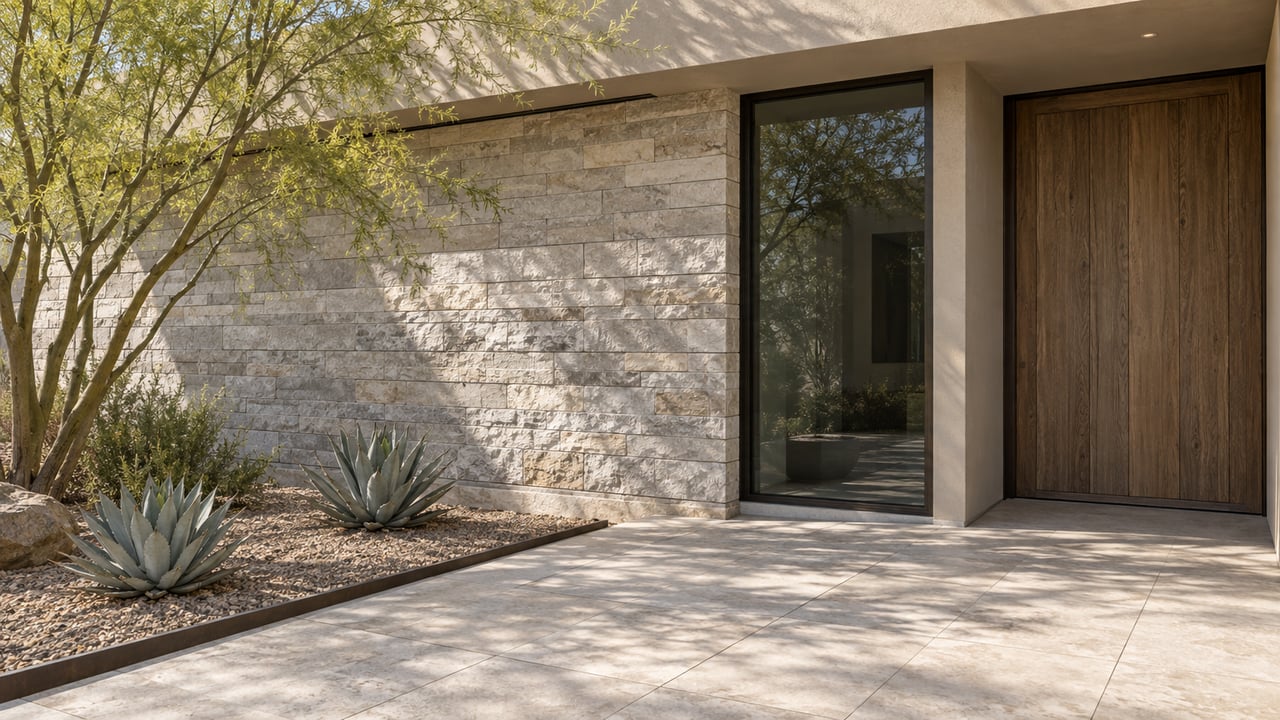
Outdoor living is especially important in this part of Arizona. Since winter travel in Greater Phoenix is closely tied to patio season, golf, sports, and weather-friendly recreation, homes with covered patios, shade, a pool or spa, and comfortable exterior spaces may line up well with what many guests want.
Location matters, but not in a one-size-fits-all way
There is no single “best” East Valley spot for every seasonal rental buyer. The better question is whether the setting fits the type of renter you expect to attract. A home near freeway access, shopping, golf, medical services, ASU and Tempe activity, or major event corridors may suit shorter leisure stays, visiting family, or some business-related travel.
On the other hand, a home in a quieter residential setting may be a stronger fit for longer winter stays or guests who want a more home-like experience. This is why buying strategy should start with your intended use. If you want reliable personal enjoyment and a rental plan that feels workable, your guest profile should shape the search from day one.
Decide your rental model before you buy
Before you make an offer, be clear about how you want the home to operate. In Arizona, the line between short-term and longer residential rentals is important. According to the Arizona Department of Revenue, short-term residential rentals are stays of less than 30 days, while residential rental is property rented for more than 29 days for residential purposes.
That distinction affects taxes, licensing, and how you underwrite the property. If your plan is nightly or weekly bookings during peak season, you are in one compliance bucket. If your plan is 30-plus-day furnished stays, you may be in another.
A few common models buyers consider include:
- Short-term seasonal rental: Less than 30 days per stay
- Monthly seasonal lease: More than 29 days per stay
- Hybrid use: Personal second-home use plus a mix of short and longer stays
Each approach can work, but each comes with different operating questions. You will want to know your likely calendar, guest type, and compliance path before you buy, not after closing.
Understand Arizona taxes and local rules
If you plan to operate under 30 days, Arizona requires close attention to tax rules. The Arizona Department of Revenue states that short-term rental income is subject to transaction privilege tax, or TPT. ADOR also says owners may need a city business license depending on where the home is located, and the TPT license number must appear in advertising.
Another important point is owner responsibility. Even if you use an online marketplace or a property manager to help with filing, ADOR says the owner remains ultimately liable for the tax. For some owners, a seasonal TPT license may be an option.
Local rules can add another layer beyond the state requirements. Gilbert is one example in the research, requiring a short-term rental license, a valid TPT license, Maricopa County Assessor registration, and neighbor notification before operation. The lesson is simple: you need to verify the exact city or town rules for the property you are considering.
Do not skip HOA and ordinance review
City rules are only part of the picture. You also need to review any HOA restrictions and recorded CC&Rs before you buy. A home that looks perfect on paper can become a poor fit if the community limits the rental pattern you planned to use.
Arizona’s Attorney General has also made clear that short-term rentals still must follow generally applicable residential use, zoning, noise, property maintenance, welfare, and nuisance ordinances. In practical terms, that means a seasonal rental is not exempt from ordinary neighborhood rules just because guests stay there for shorter periods.
Longer stays have their own compliance path
If your strategy leans toward 30-plus-day furnished leases instead of short-term stays, you should still do your homework. Maricopa County’s Assessor says residential rental property used solely as leased or rented property for residential purposes must be registered with the county assessor. That means a nightly rental, a second home, and a longer-term residential rental may not be treated the same way.
For buyers, this is a good reminder that the phrase “seasonal rental” can mean different things. Your intended stay length is not just a marketing choice. It can change your licensing, tax, and registration requirements.
A smart buying checklist
If you are evaluating East Valley homes for seasonal use, keep your process focused on a few key questions:
- Confirm the exact municipality before you buy
- Verify whether the HOA allows your intended rental pattern
- Decide whether the property will be a short-term rental, a monthly lease, or a hybrid
- Budget for TPT, licensing, cleaning, pool care, landscaping, and maintenance
- Make sure the floor plan, parking, and outdoor space fit your target guest
- Build a calendar that protects your own use without cutting too deeply into peak rental periods
This kind of planning can help you avoid buying a home that is attractive but operationally difficult. The right property is not just the one that looks good in listing photos. It is the one that fits your goals, your guest profile, and the rules that apply to that address.
How a boutique, hands-on approach helps
When you are buying a home that is both a lifestyle property and an investment, details matter. You are not only evaluating bedrooms, finishes, and curb appeal. You are also weighing guest fit, seasonality, operating complexity, and long-term value.
That is where a more tailored, hospitality-minded process can make a difference. A buyer who plans to use a home seasonally often benefits from guidance that looks at both the ownership experience and the rental setup, including layout, outdoor living, maintenance demands, and how the home may perform as a furnished stay. A thoughtful strategy on the front end can save you time, money, and frustration later.
If you are considering an East Valley-area purchase and want a property that works for both personal enjoyment and seasonal income potential, Neighbors Luxury Real Estate can help you evaluate the opportunity with a boutique, relationship-driven approach.
FAQs
What is considered a short-term rental in Arizona?
- In Arizona, the Department of Revenue says a short-term residential rental is a stay of less than 30 days.
What is considered a residential rental in Arizona?
- Arizona defines residential rental as property rented for more than 29 days for residential purposes.
Do East Valley short-term rentals require tax registration?
- Yes. According to the Arizona Department of Revenue, short-term rental income is subject to TPT, and owners may also need a city business license depending on the municipality.
Do East Valley city rules for seasonal rentals vary by municipality?
- Yes. The research shows that local requirements can differ, and Gilbert is one example with its own licensing, registration, and neighbor-notification rules.
Do HOA rules matter when buying an East Valley seasonal rental home?
- Yes. Before buying, you should verify whether the HOA and CC&Rs allow the rental pattern you plan to use.
What home features are useful for an East Valley seasonal rental?
- Practical features often include multiple bedrooms and baths, a flexible office or bonus room, laundry, strong Wi-Fi, good parking, low-maintenance landscaping, and appealing outdoor living space.
Why does location matter for an East Valley seasonal rental strategy?
- Different settings can attract different guest types, so a home near golf, shopping, freeway access, medical services, or event activity may serve different needs than a quieter residential location.
Can a buyer use an East Valley home personally and rent it seasonally?
- Yes, but it helps to plan ahead so your personal-use calendar, peak-season rental windows, and compliance requirements all work together.