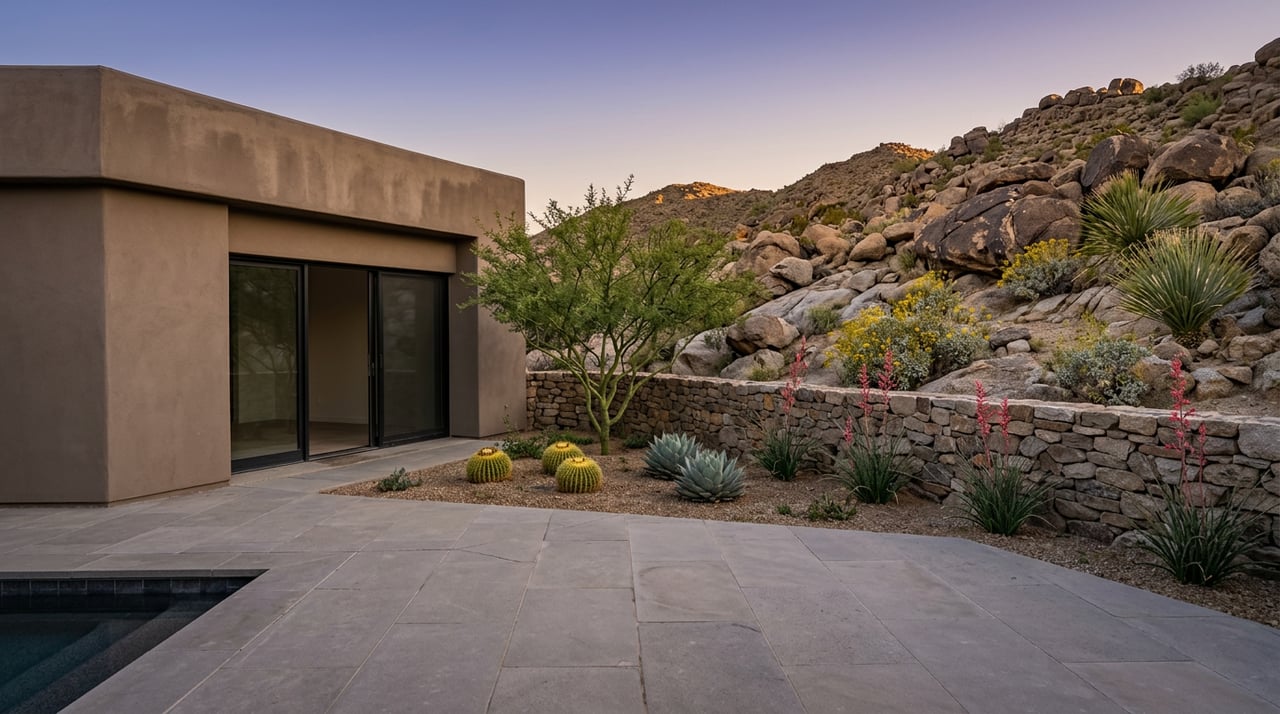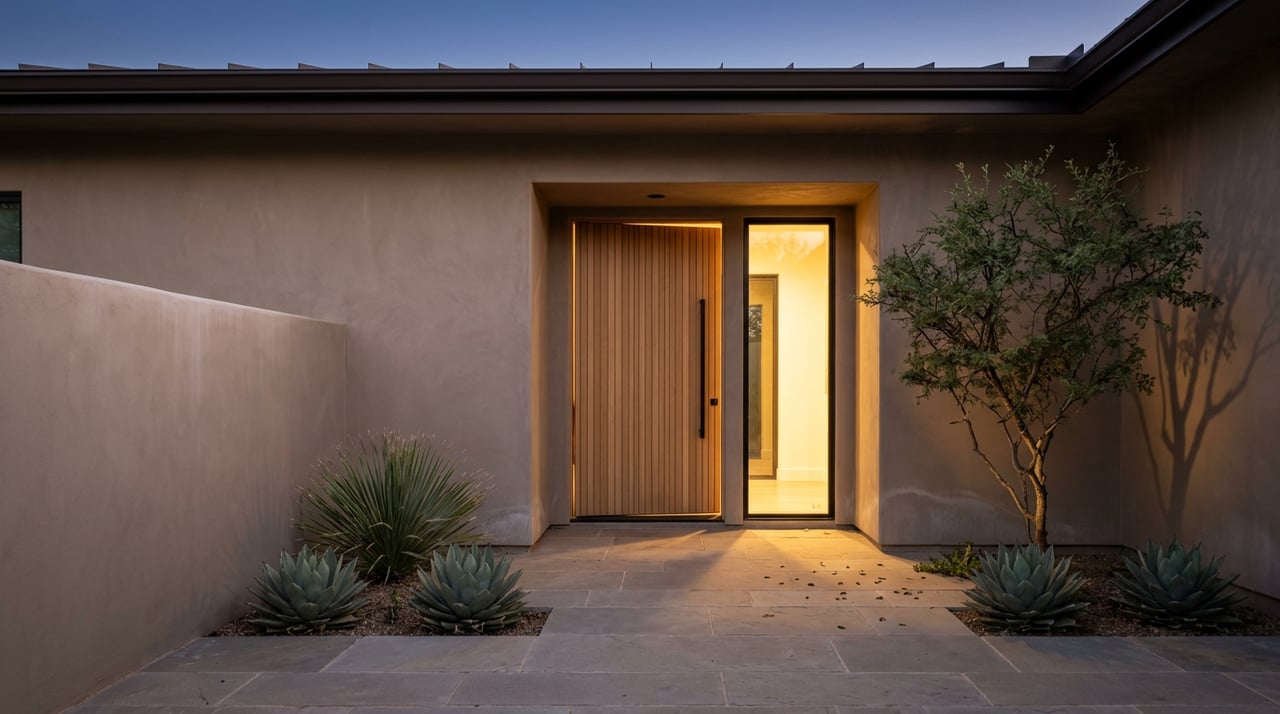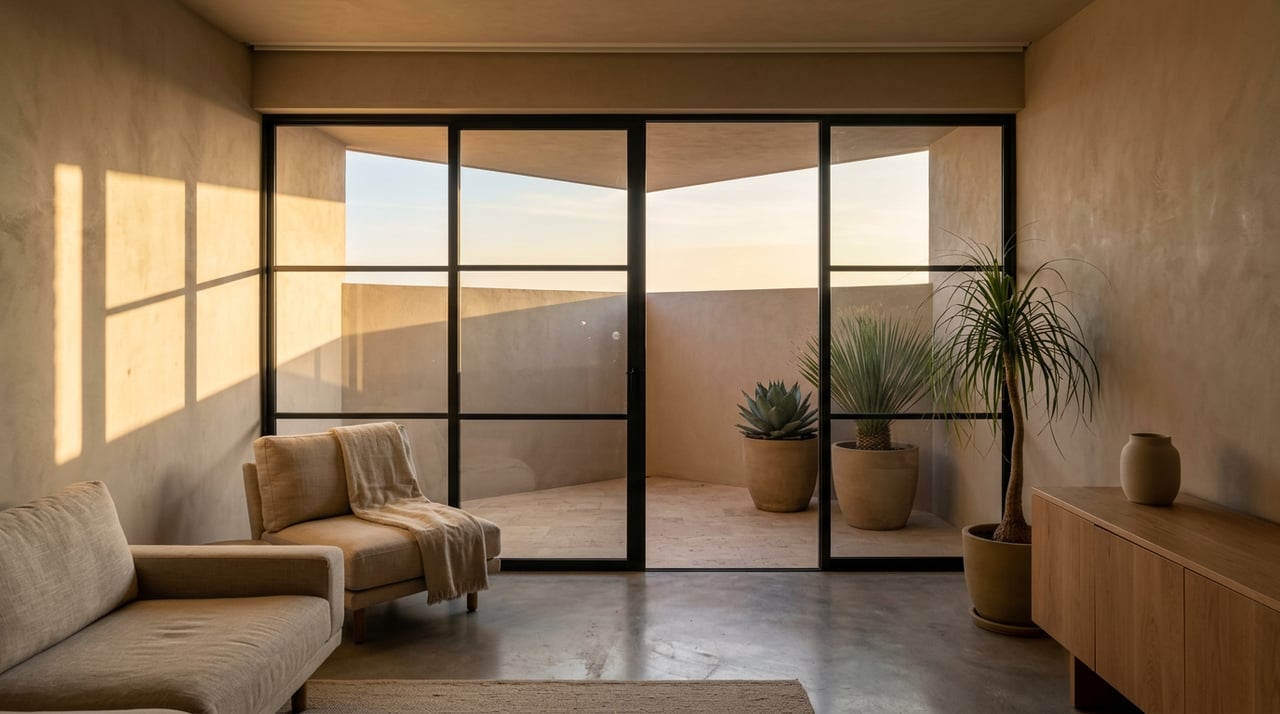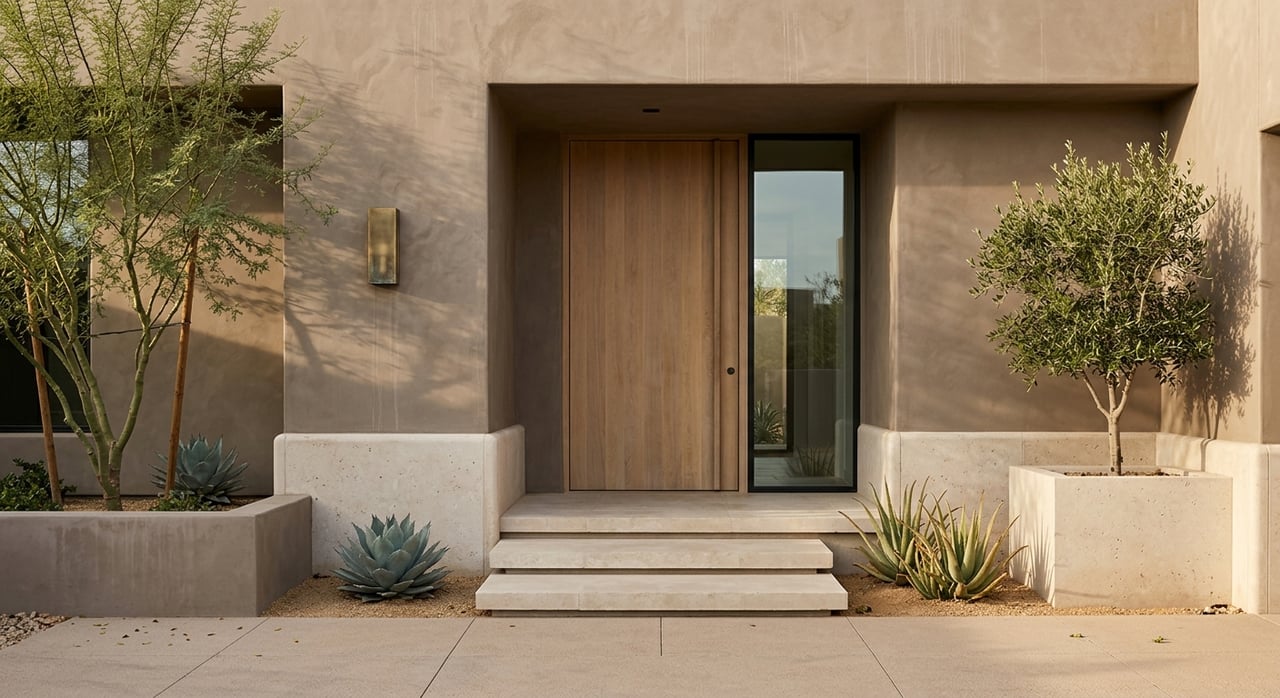
If your home sits along the Central Avenue Corridor, you are not just selling square footage. You are selling a way of living that blends transit access, dining, culture, and everyday convenience in one of Phoenix’s most connected urban stretches. For today’s buyers, that means your home needs to look polished online, feel easy to live in, and tell a clear neighborhood story from the start. Let’s dive in.
Why Central Corridor positioning matters
Urban buyers tend to compare homes differently than buyers in more car-dependent areas. They are often weighing not just the layout and finishes, but also how the home fits into a daily routine built around walkability, light rail access, and nearby dining or cultural destinations.
That matters in a market where pricing and pace can vary by property type. In April 2026, Phoenix single-family homes had a median sales price of $503,500, while townhouse and condo properties had a median sales price of $320,000. Days on market were 64, and inventory stood at 3.8 months, which reinforces the need to position your home against its exact product type and micro-market rather than broad city averages.
Start with the right buyer mindset
Today’s buyers are often selective and well prepared. National buyer and seller research from 2025 found that first-time buyers made up just 21% of the market, while all-cash buyers reached an all-time high.
For you as a seller, that often means you are speaking to buyers who have options and strong expectations. They are likely to notice presentation details, compare homes carefully, and move toward listings that feel coherent, move-in ready, and true to the lifestyle promised in the marketing.
Urban buyers want low-friction living
In the Central Corridor, buyers are often responding to more than a floor plan. Central Avenue is part of a food and activity corridor stretching through midtown and uptown, and Valley Metro rail service runs along Central Avenue to Baseline/Central Ave as part of its current two-line network.
The City of Phoenix has also shaped development policy around pedestrian-friendly areas near light rail stations. That makes a home’s day-to-day ease a real part of its value story. If your listing helps buyers picture a simpler, better-connected lifestyle, it is already doing important work.
Make the home feel calm and current
Staging is not about making your home look generic. It is about helping buyers understand the space quickly and positively.
NAR’s 2025 staging report found that 83% of buyers’ agents said staging made it easier for buyers to visualize a property as their future home. The rooms most commonly staged were the living room, primary bedroom, and dining room, which gives you a practical starting point.
Focus on first impressions
For a Central Corridor home, strong presentation usually comes down to a few simple qualities:
- Clean sightlines
- Good natural light
- Consistent finishes
- Comfortable room flow
- A calm, uncluttered feel
Because the area’s appeal is tied to an easy urban lifestyle, over-furnished rooms can work against you. Buyers should be able to see how the home functions, not struggle to look past visual noise.
Declutter before you decorate
Online images can create high expectations, and buyers often feel disappointed when the in-person experience does not match. That is why decluttering and professional cleaning matter before photos and showings.
Think of preparation as friction removal. Clear counters, simplified shelves, fresh linens, and tidy outdoor areas can make a home feel more credible, more cared for, and easier to say yes to.
Respect historic details when applicable
Some Central Corridor homes draw their appeal from historic character. If your property is in a Phoenix historic district or listed on the Phoenix Historic Property Register, exterior changes may require review by the city’s Historic Preservation Office.
For proposed exterior work that needs a building permit, a Certificate of Appropriateness or Certificate of No Effect may be required. If your home has historic status, it is smart to understand that process before making changes meant to improve curb appeal.
Build an online presentation that does the selling
Most buyers will meet your home online first, and that first impression carries real weight. NAR reports that 81% of buyers consider listing photos the most useful feature during their online search.
That means your marketing cannot rely on basic snapshots or a thin property description. The online presentation needs to show the home clearly, guide the viewer through the layout, and connect the property to the lifestyle of the corridor.
Prioritize professional visuals
Buyers’ agents rank photos, traditional staging, video tours, and virtual tours among the most important listing elements. Strong visuals are not optional in a market where buyers compare homes quickly and expect polished presentation.
A well-positioned Central Corridor listing should include:
- High-resolution photography
- A strong lead image
- Logical room sequencing
- Video or virtual tour support when appropriate
- A description that highlights both the home and the surrounding lifestyle
The goal is not to overproduce the listing. The goal is to make the home feel curated, honest, and memorable.
Use the first days wisely
The first few days after a listing launches can shape its momentum. Research on online listing visibility notes that refreshing the lead photo, adjusting photo order, and sharing through targeted channels can help reset visibility and improve engagement.
That makes strategy especially important. If your home is entering the market, you want the opening presentation to be deliberate, not rushed.
Tell a neighborhood story buyers can picture
Along the Central Corridor, the neighborhood story is part of the product. Buyers are not only purchasing a home. They are buying into a broader urban experience shaped by culture, dining, and transit.
That story should be specific and grounded in recognizable local anchors. Vague language does not help buyers understand why this location stands apart.
Highlight nearby cultural anchors
Several destinations help define the Central Corridor lifestyle. Roosevelt Row is known as downtown Phoenix’s walkable arts district with galleries, restaurants, bars, boutique shops, street art, and First Fridays Art Walk.
The Phoenix Art Museum sits on Central at McDowell and is described as the largest art museum in the southwestern United States. The Heard Museum on North Central adds another layer of cultural depth through Indigenous art, exhibitions, and programming.
Show everyday convenience too
Urban buyers also care about what daily life feels like on a normal Tuesday, not just on weekends. Uptown Plaza at Central and Camelback is recognized as a dining hub, while the Melrose District and Historic Grand Avenue add more options for shopping, dining, art, and entertainment.
When your listing helps buyers connect the home to these everyday and cultural touchpoints, the value proposition becomes more complete. Bedroom count still matters, but in this area, lifestyle access can be just as persuasive.
Price by product, not by headline
One of the biggest mistakes sellers make is leaning too hard on broad market averages. In Phoenix, the gap between single-family and attached-home median prices is wide enough to show why that approach can backfire.
A Central Corridor home should be priced according to its exact property type, condition, architectural appeal, and competition in its immediate segment. Historic homes, newer infill, condos, and townhomes may all attract different buyer pools, even when they are only blocks apart.
What buyers compare most
Urban buyers typically size up three things quickly:
- How well the home presents online
- How easy the home seems to live in day to day
- How clearly the listing connects the property to the surrounding neighborhood
If your pricing ignores one of those factors, buyers may feel the mismatch right away. If your pricing supports the home’s true presentation and lifestyle value, the listing tends to make more sense from the start.
Position your home as a complete experience
The strongest Central Corridor listings do more than look attractive. They answer the buyer’s practical and emotional questions at the same time.
Does the home feel polished without feeling staged beyond recognition? Does it support a smooth, connected urban routine? Does the listing explain why this location matters in a clear, local way? When the answer is yes, buyers have fewer reasons to hesitate.
For sellers, that is the real goal of positioning. It is not about chasing trends. It is about presenting your home with enough clarity, care, and market awareness that the right buyer can recognize its value quickly.
If you are preparing to sell and want a more thoughtful strategy for pricing, presentation, and market positioning, connect with Neighbors Luxury Real Estate for boutique guidance tailored to your property.
FAQs
How should sellers price a Central Corridor home in Phoenix?
- Sellers should price based on the home’s exact property type, condition, and micro-market competition, not just broad Phoenix median price headlines.
What do urban buyers want in a Central Corridor listing?
- Urban buyers often want polished online presentation, easy day-to-day livability, and a clear connection to the surrounding dining, transit, and cultural lifestyle.
Why is staging important for a Central Corridor home sale?
- Staging helps buyers picture themselves in the home, and research shows it makes that visualization easier for most buyers when key rooms are presented clearly.
What neighborhood features matter when marketing a Central Corridor home?
- Features that support the value story include access to Valley Metro rail, nearby dining hubs, and cultural destinations such as Roosevelt Row, Phoenix Art Museum, and the Heard Museum.
Do historic Central Corridor homes need approval for exterior changes?
- If a home is in a Phoenix historic district or on the Phoenix Historic Property Register, certain exterior changes may require review by the city’s Historic Preservation Office.